Small Toys, Big Floor: A Cleanup Routine That Children Can Do
Small toys are the hardest thing in a playroom to tidy and the most important one to keep off the floor when a baby lives in the house. This is the routine we use, and what the pediatricians' guidance says about siblings.
Why small toys win every cleanup
A box of bricks spreads over a floor in seconds and takes twenty minutes to pick up. Children know this. That is why the bricks are still on the rug at bedtime, and why a parent ends up kneeling under the sofa with a flashlight.
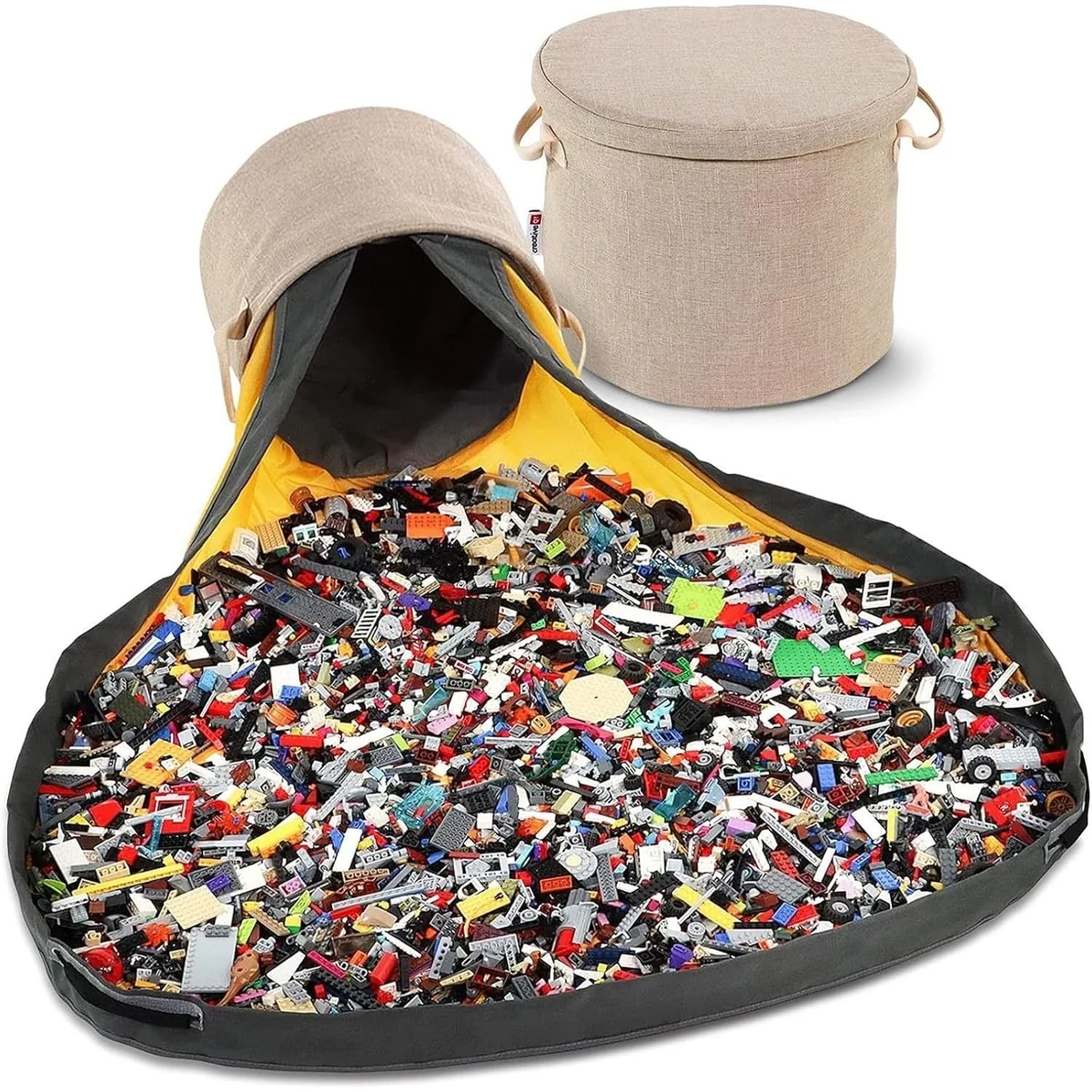
The fix is to make the floor and the box the same thing. A play mat that closes into its own basket means the cleanup is one move, and a six year old can do it without help.
The two minute routine
- Open the SlideAway flat before the bricks come out, not after.
- Keep play on the mat. A raised edge helps, and so does a simple rule: pieces off the mat go back on the mat.
- At the end, lift both handles and let the pieces slide to the middle.
- Tip them into the basket, put the lid on and push the basket against the wall.
- Check the rug around the mat for strays. There are usually three, and a child can find them.
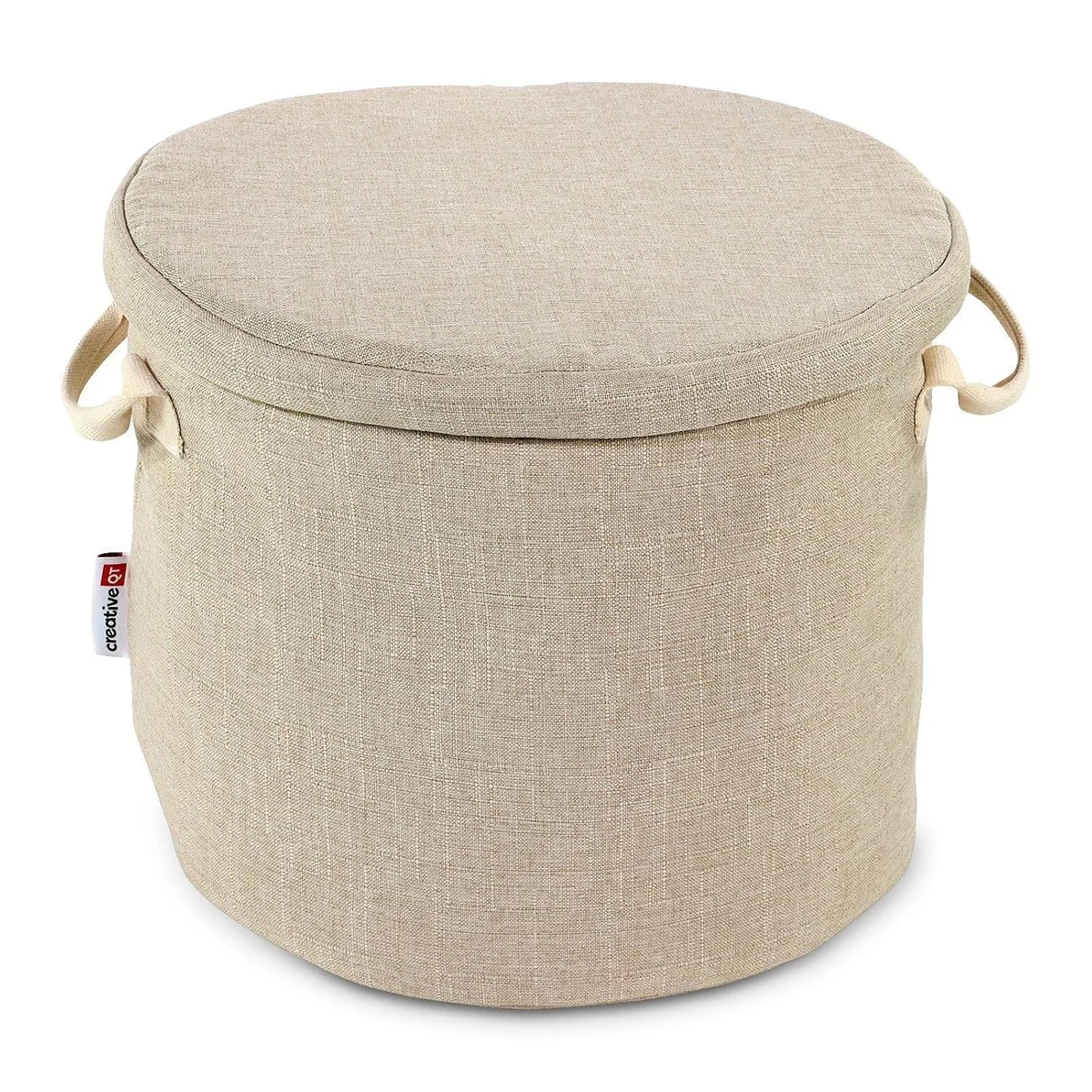
Great for general Lego storage but I do wish the "lid" fully zipped on or that the bin was more rigid. Since the bin is totally fabric and has no ribs/structure, it kind of sits sagged down and the "lid" just slides down so it always looks kind of frumpy. Otherwise it is great to be able to spread legos out and quickly clean them up afterward!
What pediatricians say about small things
The American Academy of Pediatrics lists the objects behind most choking deaths in children, and toys are on it.
Balloons, balls, marbles, pieces of toys and foods (small round objects) cause the most choking deaths.
American Academy of Pediatrics (HealthyChildren.org), Choking Prevention for Babies & Children: What Every Parent Needs to Know. Read 25 September 2026.
Bricks are pieces of toys. For a house with a baby, the routine above is less about tidiness and more about getting every piece off the floor at the end of play.
When an older child and a baby share the room
The same guidance names the situation most brick families live in.
Many choking incidents happen when older brothers or sisters give dangerous foods, toys or small objects to a younger child.
American Academy of Pediatrics (HealthyChildren.org), Choking Prevention for Babies & Children: What Every Parent Needs to Know. Read 25 September 2026.
The older child is not doing anything wrong by building. The answer is a space where the building happens and the baby is not: a table, a wall panel, or a mat that closes at the end with every piece inside it.
The sweep after the sweep
Even a good routine leaves strays. The pediatricians' advice for the rest of the house applies to the playroom as well.
Check under furniture and between cushions for small items such as coins, small toys, batteries and other small objects that children could find and put in their mouths.
American Academy of Pediatrics (HealthyChildren.org), Choking Prevention for Babies & Children: What Every Parent Needs to Know. Read 25 September 2026.
Make that sweep part of the routine, not a separate job. It is the last step, done by the oldest child, and it takes a minute.
What a mat bag does not do
A play mat bag keeps pieces together. It does not lock, and a curious toddler can lift the lid. Store the closed basket where the youngest child cannot reach it, or on a shelf in the older child's room.
It also does not sort. If your builder likes pieces by color, the mat will undo that sorting every time. Sorted sets live better in drawers, and the mat is for the free build pile.
What to keep near the mat
Keep the finished builds somewhere else: a shelf, a stackable plate or the wall panel. A child who knows that a model will be safe is happy to let the loose pieces go back in the basket.
And keep the routine short. Two minutes is something a child will repeat every day. Twenty minutes is something a parent ends up doing alone.
Sources we read
- American Academy of Pediatrics (HealthyChildren.org), Choking Prevention for Babies & Children: What Every Parent Needs to Know. Read 25 September 2026.
- American Academy of Pediatrics (HealthyChildren.org), Choking Prevention for Babies & Children: What Every Parent Needs to Know. Read 25 September 2026.
- American Academy of Pediatrics (HealthyChildren.org), Choking Prevention for Babies & Children: What Every Parent Needs to Know. Read 25 September 2026.
This note is general information about toys and home safety, not medical advice. For anything about your own child, ask your pediatrician.
Products in this note
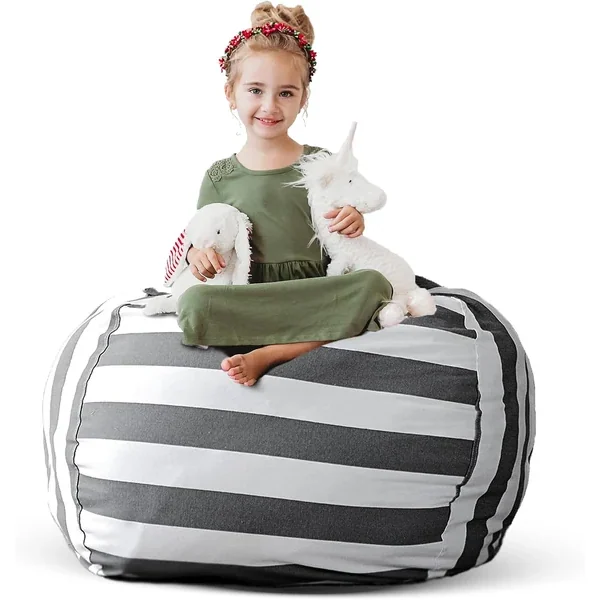
Stuff 'n Sit Bean Bag Storage
Large, 33 in or X-Large, 38 in
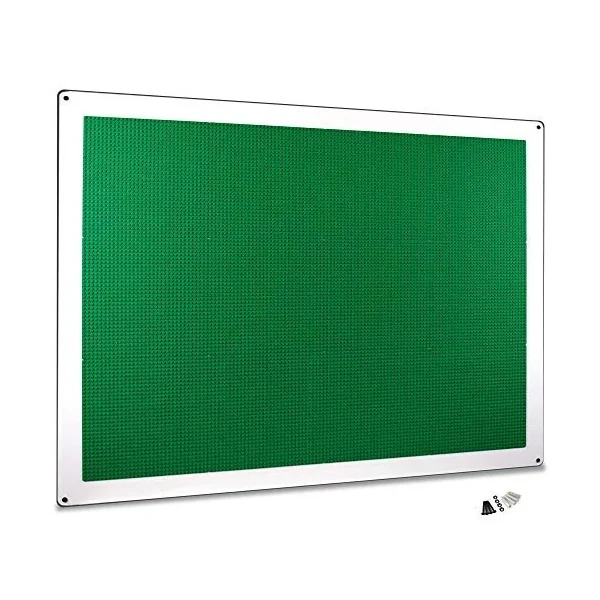
From $16.20 See Sizes and ColorsPlay-Up Brick Wall Panel
24 × 34 in or 34 × 44 in
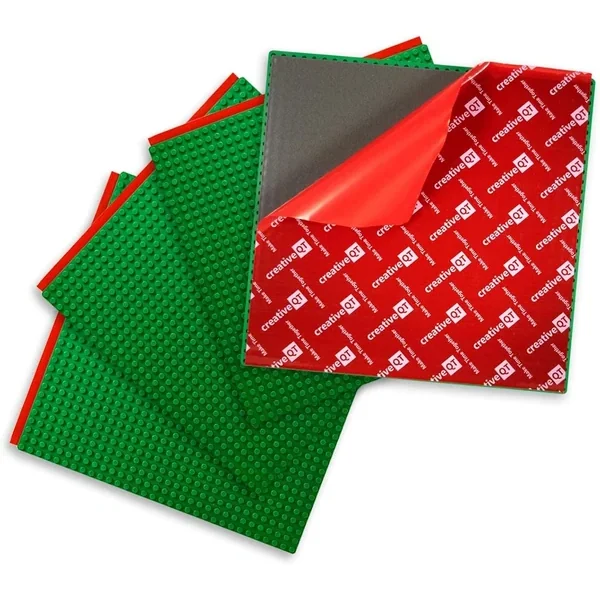
From $34.99 See Sizes and ColorsPeel-and-Stick Baseplates
Four 10 inch plates with an adhesive back for tables and walls
From $24.98 See Sizes and Colors